
Industry Context
M&A Due Diligence Procurement
Operating Context
Rapid procurement analytics for deal teams under tight due diligence timelines.
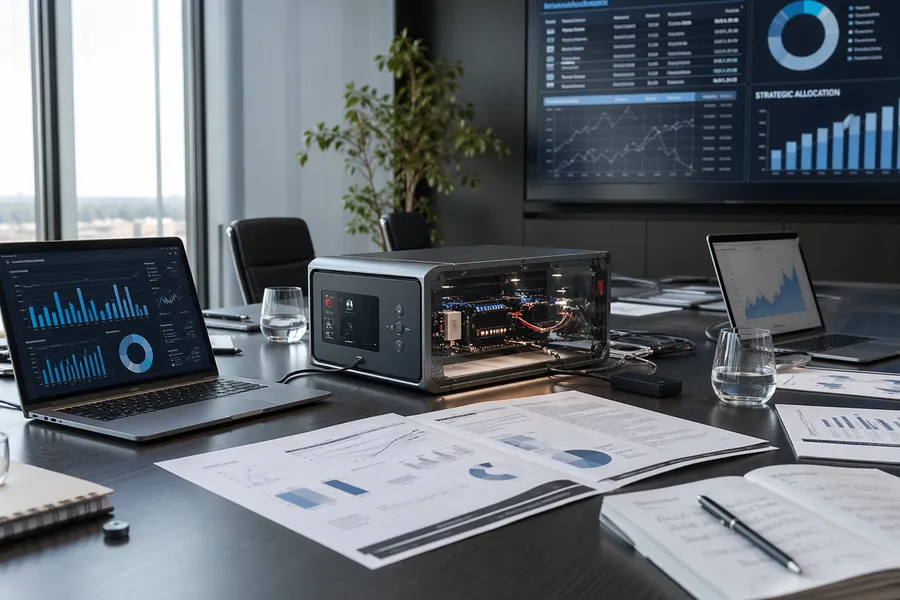
Procurement due diligence is where deal timelines collide with the hardest data reconciliation problem: two ERPs, two supplier naming conventions, and two part catalogs that must become one defensible picture before a closing date that does not move. Synergy estimates rest on assumptions because no tool can quickly prove which parts overlap, which suppliers serve both companies, or where the combined entity holds leverage. Without a structured technical and commercial view, savings claims stay directional and risk exposure stays hidden until after the deal closes. COVALYZE compresses weeks of manual analysis into days, quantifying synergies at SKU level and surfacing supplier concentration risk — so deal teams negotiate from structured evidence and enter Day 1 with a procurement roadmap rather than a reconciliation project.
Procurement Reality
What Makes M&A Due Diligence Hard

Procurement due diligence is the part of an M&A or private equity deal where time runs out first. Two ERPs, two spend taxonomies, two part catalogs, two supplier naming conventions, and two contract landscapes collide against a closing date that does not move. Deal teams need procurement analytics that can identify supplier overlap, category synergies, SKU-level consolidation, direct material savings, contract risks, and post-merger integration priorities before the investment committee or signing deadline. Without structured M&A procurement due diligence, synergy estimates stay high level, supplier concentration risk remains hidden, and Day 1 integration starts with manual data cleanup. Technical part intelligence, spend classification, and supplier benchmarking make savings potential measurable instead of assumed.
Where Effort Stalls
Synergy estimates rest on assumptions because nobody can quickly prove which parts overlap or which suppliers serve both companies. Without a structured technical and spend view, savings claims stay directional and risk exposure stays hidden until after the deal closes.
Tight Timelines
Due diligence phases are short, leaving little time to manually reconcile and analyze mountains of spend data, contracts, and supplier information from the target company.
Data Disparities
Different ERP systems, naming conventions, and incomplete data from the merging entities make it hard to align spend categories and identify true overlaps or differences.
Hidden Synergies
Potential cost synergies (like volume discounts from combining supplier spend or eliminating duplicate part purchases) are not obvious without deep data analysis, meaning opportunities could be missed.
Supplier Risk Visibility
It's challenging to quickly assess the risk profile of the target's supplier base—such as dependency on risky suppliers or contracts with unfavorable terms—before the acquisition.
Integration Planning
Post-merger, procurement teams must unify suppliers, part catalogs, and systems. Without early insight, integration can be chaotic, resulting in lost savings or supply disruptions.
COVALYZE Approach
From Technical Data to Commercial Leverage
How COVALYZE Helps
Covalyze provides M&A teams with a rapid, insightful analysis of procurement data during due diligence. Our platform can ingest and harmonize spend data from both the acquiring and target companies, automatically classifying expenditures into standard categories and eliminating duplicate entries for a clear apples-to-apples comparison.
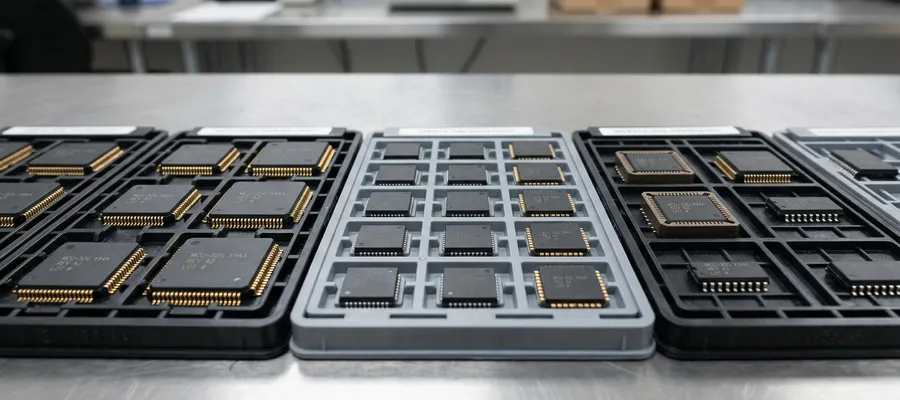
Covalyze's AI identifies overlapping suppliers and calculates combined spend, highlighting where the merged company can negotiate better pricing or terms. Using PartIQ technology, the platform can also compare part data and technical documents, revealing if both companies are buying similar components that could be consolidated. The supplier risk evaluation features in Covalyze score and flag potentially risky suppliers (for example, if the target heavily relies on a single source supplier for a critical item or if a key supplier has a history of late deliveries). The platform generates easy-to-share reports that quantify potential savings and pinpoint issues, which can be used to brief executives and inform negotiations. With Covalyze, what used to take analysts weeks of combing through spreadsheets can be done in days—giving your team a fact-based assessment of procurement performance and synergy potential before the deal is signed.
Outcome Pillars
What Procurement Gains
01
Faster Due Diligence
Cut down weeks of analysis to just days with AI-driven data processing, ensuring procurement diligence keeps pace with deal timelines.
02
Quantified Synergies
Quickly identify and quantify procurement synergies (bulk purchasing power, supplier consolidation savings) to strengthen the business case and post-merger plan.
03
Risk Mitigation
Spot high-risk contracts or supplier dependencies in the target's operations so you can address them in deal negotiations or early in integration.
04
Seamless Integration
Use Covalyze's findings to guide post-merger procurement integration, from unifying supplier lists to standardizing part numbers, thereby capturing savings faster and avoiding operational hiccups.
05
Informed Decision-Making
Arm your M&A decision makers with data-driven insights on procurement efficiency and spend profiles, reducing uncertainty and ensuring no stone is left unturned.
In Combination
Audit-ready, on-budget sourcing — start to finish.
Application
Where the Value Shows Up
These examples show the kinds of procurement workflows that become measurable once drawings, BOMs, supplier data, and spend data are connected.
Use Case 01
Synergy Identification
During the acquisition of a smaller competitor, a manufacturing conglomerate employed Covalyze to merge and analyze both companies' spend data. The platform revealed that both firms were buying similar raw materials from different suppliers. By consolidating this spend under new unified contracts, the conglomerate projected a 15% reduction in material costs, a key synergy that justified a higher valuation for the deal.
Use Case 02
Risk Exposure Analysis
A private equity firm used Covalyze in due diligence for a target company in the aerospace sector. Covalyze quickly flagged that the target relied on a single overseas supplier for 80% of a critical component. This insight allowed the acquirer to factor in the cost of developing alternate suppliers and supply chain buffers as part of the post-merger strategy, avoiding nasty surprises after acquisition.
Use Case 03
Post-Merger Integration Planning
Two merging energy companies leveraged Covalyze to inventory and compare their supplier bases and part catalogs. The analysis identified hundreds of duplicate suppliers and common parts. Armed with this data, the new combined procurement team developed an integration plan to rationalize suppliers and standardize components within the first year, aiming for multi-million dollar savings and a smoother operational merger.
Frequently Asked
M&A Due Diligence Procurement: FAQ
Common questions from procurement, engineering, and category leaders evaluating COVALYZE for m&a due diligence.
Explore More
Related Industries
Explore adjacent procurement environments where technical data, supplier benchmarks, and cost transparency create similar leverage.