
Industry Context
Manufacturing Procurement
Operating Context
Bridge engineering and purchasing with automated CAD analysis and market intelligence.
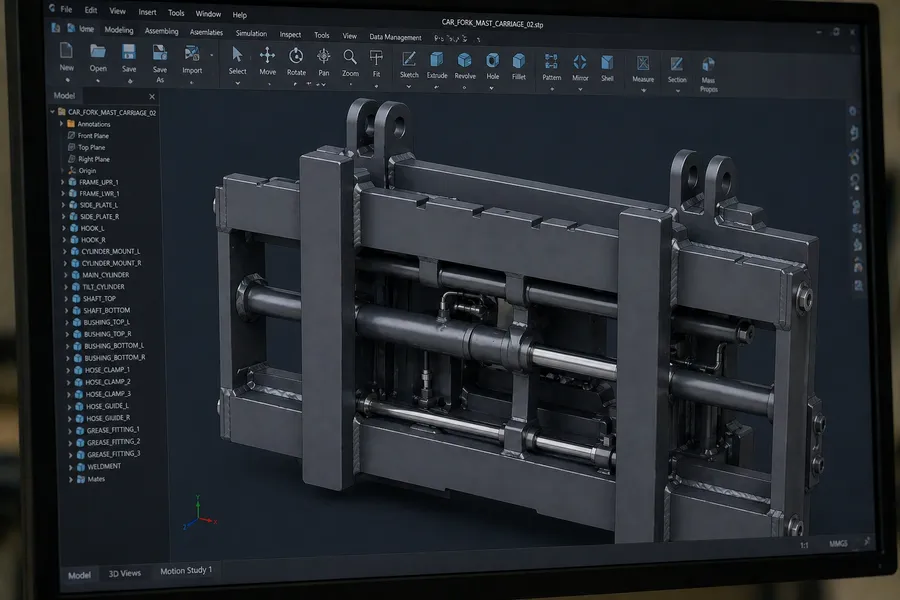
Multi-site manufacturers carry the structural cost of fragmented ERPs and siloed technical data — the same component bought at different prices across plants, with no system to prove they are identical. Category managers spend the majority of their week reconciling spreadsheets and chasing technical specifications across engineering, finance, and supplier portals before a single negotiation can begin. Part standardization, supplier consolidation, and volume leverage stay as slides rather than savings because the case cannot be proven at scale without a tool that connects drawings to commercial data. COVALYZE closes that gap by linking part drawings, BOM data, and supplier spend into a single category view — surfacing consolidation opportunities at the speed of a question, not a six-week project.
Procurement Reality
What Makes Manufacturing Hard
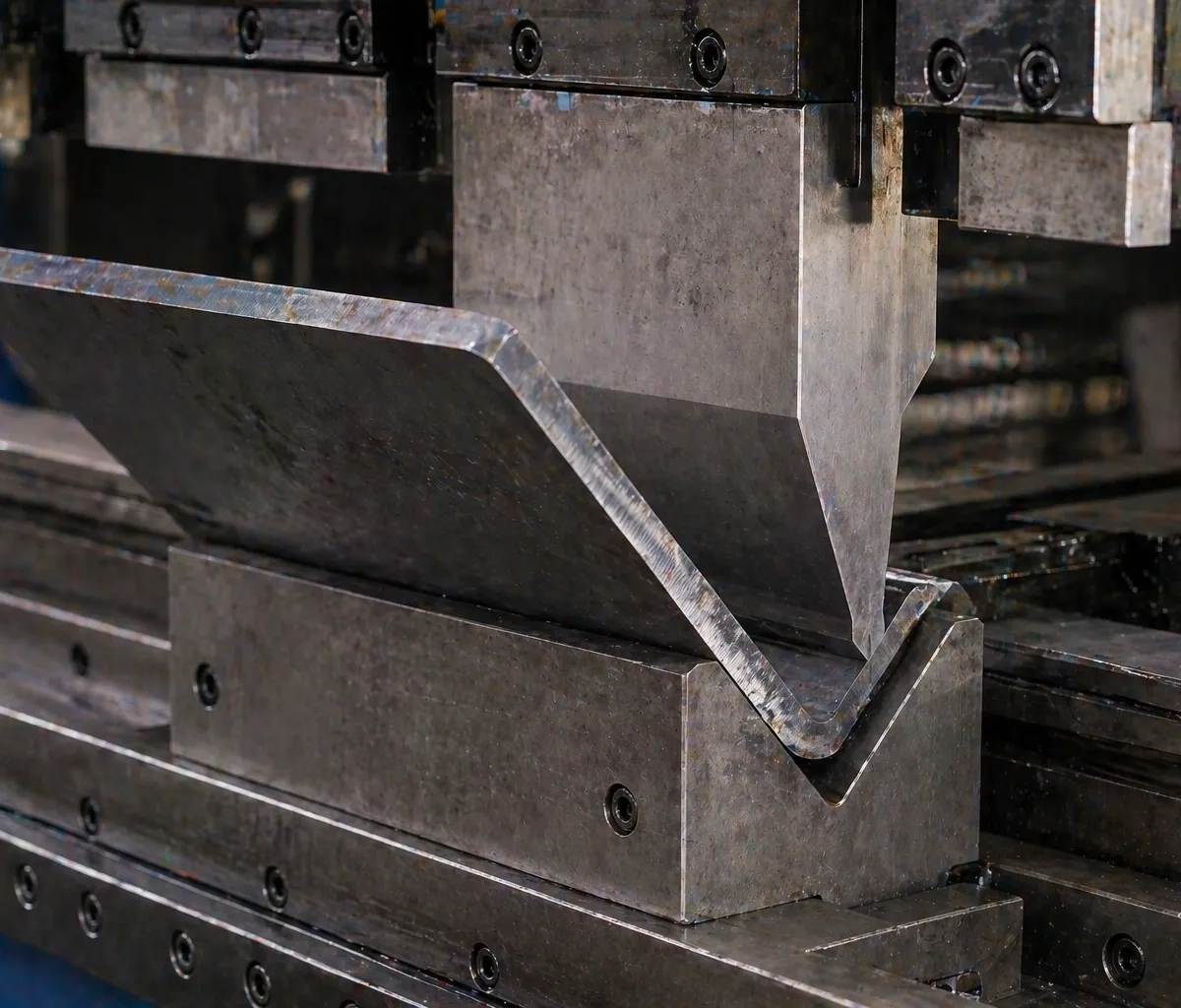
Manufacturing procurement carries the weight of fragmented systems: ERPs per site, drawings per program, and suppliers per region. Discrete manufacturers need to control direct material costs across machined parts, sheet metal, castings, electronics, assemblies, tooling, and MRO while production teams expect stable supply and engineering teams keep specifications moving. Effort is not the issue - connection is. Category managers spend most of their week reconciling spreadsheets and chasing technical specifications across engineering, finance, and supplier portals before a single negotiation can begin. Without manufacturing procurement software that links drawings, BOMs, spend, supplier performance, and should-cost data, outliers stay invisible, similar parts stay duplicated, and savings cases stay anecdotal because nobody can prove them at scale. The structural problem is the gap between technical data and commercial data.
Where Effort Stalls
Two plants buy the same widget at two different prices because no system can prove they are the same widget. Without an automated tie between technical specifications and spend, parts standardization stays a slide instead of a savings number.
Data Silos & Visibility
Procurement data is often scattered across ERP systems, spreadsheets, and engineering files, making it difficult to get a consolidated view of spend and usage.
Complex Part Specifications
Purchasing teams struggle to interpret detailed technical drawings or CAD files, leading to miscommunication with suppliers or missed chances to group similar parts for better pricing.
Cost Volatility
Prices for raw materials and components can fluctuate rapidly, impacting margins. Without timely market data, manufacturers may miss optimal buying windows or fail to adjust sourcing strategies in time.
Manual Processes
Many manufacturers rely on manual or legacy processes for RFQs, supplier evaluation, and order tracking, which slows down procurement cycles and can introduce errors.
Quality and Compliance
Ensuring every supplier meets quality standards and compliance requirements (for materials, safety, etc.) is challenging across a large supply base and multiple product lines.
COVALYZE Approach
From Technical Data to Commercial Leverage

How COVALYZE Helps
Covalyze streamlines manufacturing procurement by connecting all relevant data and applying AI to identify efficiencies. PartIQ enables our platform to parse and digitize 2D drawings and BOM information, automatically classifying parts and detecting when similar components are being sourced separately. This capability helps you consolidate purchases and reduce part variety.
Covalyze aggregates spend data from across your organization, providing a centralized dashboard that shows spend by category, supplier, plant, and part number. Our AI algorithms highlight where you can save—such as pointing out that two plants are buying the same widget at different prices, or that a slightly modified part could be substituted with a standard one already in inventory. The platform also integrates market intelligence, notifying you of commodity price changes (for metals, plastics, etc.) and availability trends that could affect your supply. By automating routine tasks like generating RFQs or analyzing supplier quotes, Covalyze frees your team to focus on strategic supplier negotiations and quality improvement. The result is a leaner, more responsive procurement function that directly contributes to lower production costs and higher operational efficiency.
Outcome Pillars
What Procurement Gains
01
Unified Data Visibility
Break down silos with a single source of truth for spend and part data, enabling company-wide visibility into procurement activities and supplier engagements.
02
Lower Material Costs
Identify and eliminate redundant parts and negotiate better pricing through volume consolidation, guided by AI insights from part drawings and usage patterns.
03
Operational Efficiency
Shorten procurement cycle times by automating data extraction from drawings, quote comparisons, and approval workflows—reducing manual work and errors.
04
Quality Assurance
Continuously monitor supplier performance and compliance, ensuring that only approved, high-quality suppliers are engaged for critical components.
05
Agility
Adapt to market changes quickly with real-time alerts on cost drivers (like material price spikes) and recommendations for alternative sourcing when risks arise.
In Combination
Audit-ready, on-budget sourcing — start to finish.
Application
Where the Value Shows Up
These examples show the kinds of procurement workflows that become measurable once drawings, BOMs, supplier data, and spend data are connected.
Use Case 01
Parts Consolidation Across Plants
An industrial machinery manufacturer used Covalyze to review component drawings and purchase records across its multiple factories. PartIQ identified that several factories were independently buying similar hydraulic valves. By consolidating these orders through Covalyze, the manufacturer negotiated a better bulk rate and reduced its inventory complexity, saving 15% on valve procurement.
Use Case 02
Spend Transparency & Savings
A consumer electronics producer aggregated its global spend data through Covalyze and discovered that one facility was paying significantly more for sheet metal components than others. With this insight, procurement re-sourced that facility's supplier or negotiated unified pricing, leading to an 8% cost reduction for that category.
Use Case 03
Automation of RFQ Process
A mid-sized manufacturing firm implemented Covalyze to automate its RFQ generation and supplier selection. The platform's AI analyzed technical requirements from the CAD drawings of a new part and instantly recommended a shortlist of vetted suppliers known for similar work. This automation shortened the sourcing cycle from several weeks to just a few days, allowing the company to meet a tight production deadline while also obtaining competitive quotes.
Frequently Asked
Manufacturing Procurement: FAQ
Common questions from procurement, engineering, and category leaders evaluating COVALYZE for manufacturing.
Explore More
Related Industries
Explore adjacent procurement environments where technical data, supplier benchmarks, and cost transparency create similar leverage.