For many mid-sized manufacturing companies, catalog parts, standard parts, C-parts and semi-finished materials account for a surprisingly large share of all purchased part numbers. Individually, these parts seem insignificant. A screw, washer, cable tie, cable lug or sheet metal blank rarely attracts the same attention as a complex welded assembly or a precision-machined component. Across hundreds or thousands of part numbers, though, they create real procurement complexity.
In one recent analysis, a mid-sized manufacturer had more than 1,800 different part numbers in scope. Almost half of them were catalog parts or standard parts. That is not unusual. For the German Mittelstand (SME), this is a typical situation: many technical products are built from a combination of custom-designed components, standard mechanical parts, electrical catalog goods and semi-finished materials such as sheets, tubes, profiles or bars.
The common assumption is that these categories are already optimized: standardized, sourced from professional catalog suppliers, integrated into ERP systems and supported by efficient ordering processes. That assumption is often wrong.
Catalog integration does not replace price intelligence.
Why catalog and standard parts matter
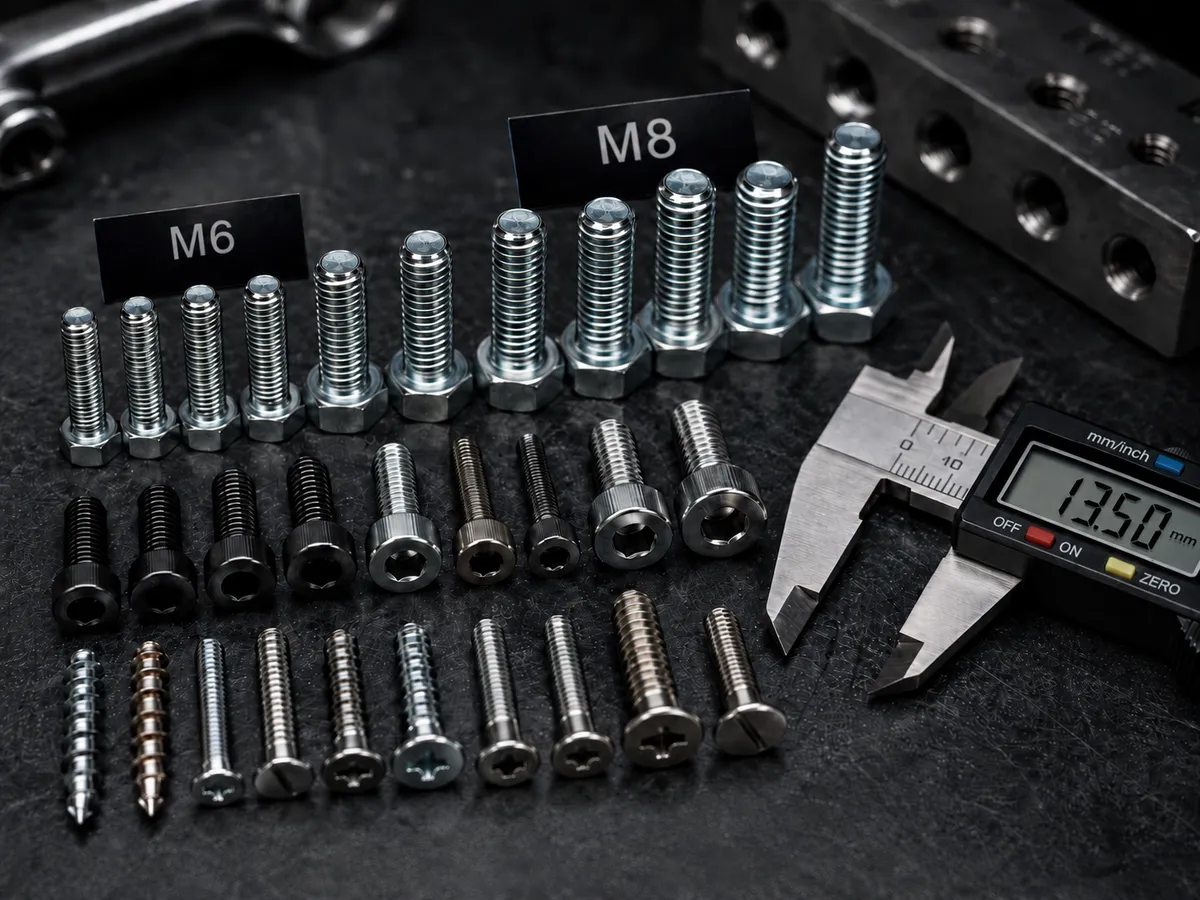
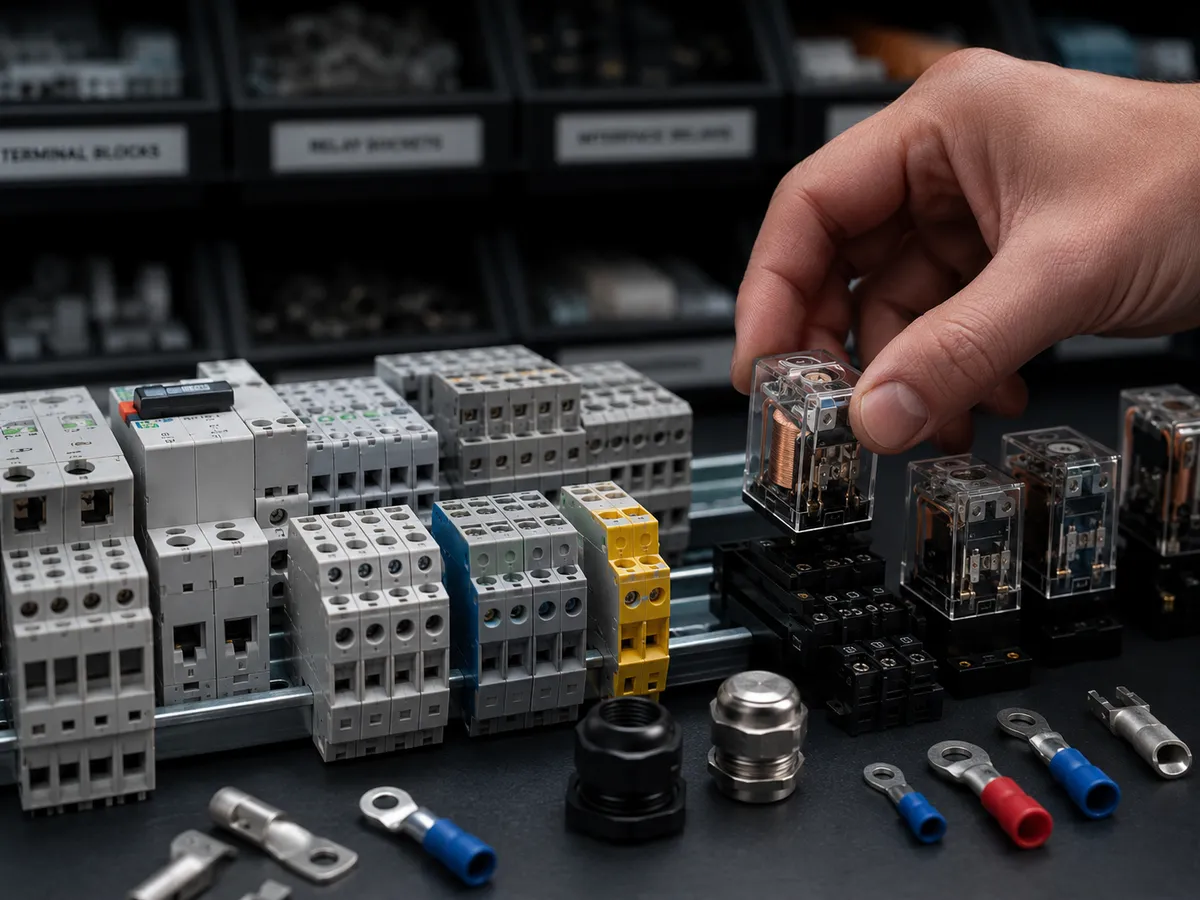
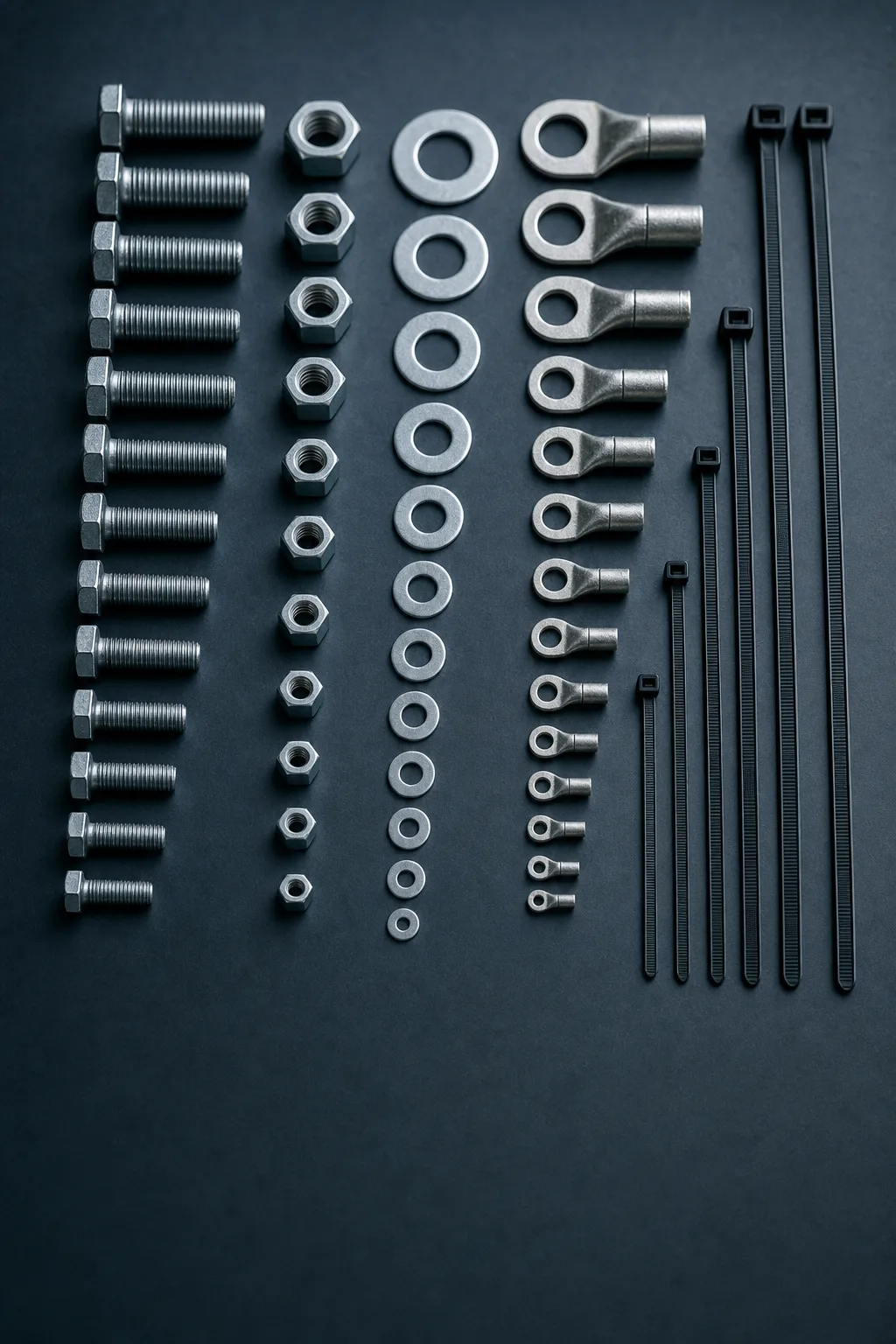
Catalog parts and standard parts exist to reduce complexity. Instead of designing and sourcing every small component individually, companies use standardized components available in large quantities from specialized suppliers: mechanical standard parts such as screws, nuts and washers, and electrical catalog goods such as cable ties, cable channels, cable lugs, relays, switches and other installation components.
A mid-sized manufacturer producing in low or medium volumes cannot afford to write custom specifications for every standard component. A simple M6 screw is far cheaper as a mass-produced standard part than as a custom-manufactured one. That is the point of catalog and standard parts: less engineering effort, simpler sourcing, better availability and fewer one-off specifications to maintain.
Why professional C-parts suppliers create real value
Established C-parts suppliers such as Würth provide much more than individual parts.
They offer broad assortments, ERP catalog integration, automated ordering, reliable logistics, production-related supply concepts and in some cases consignment stock directly at the customer's site.
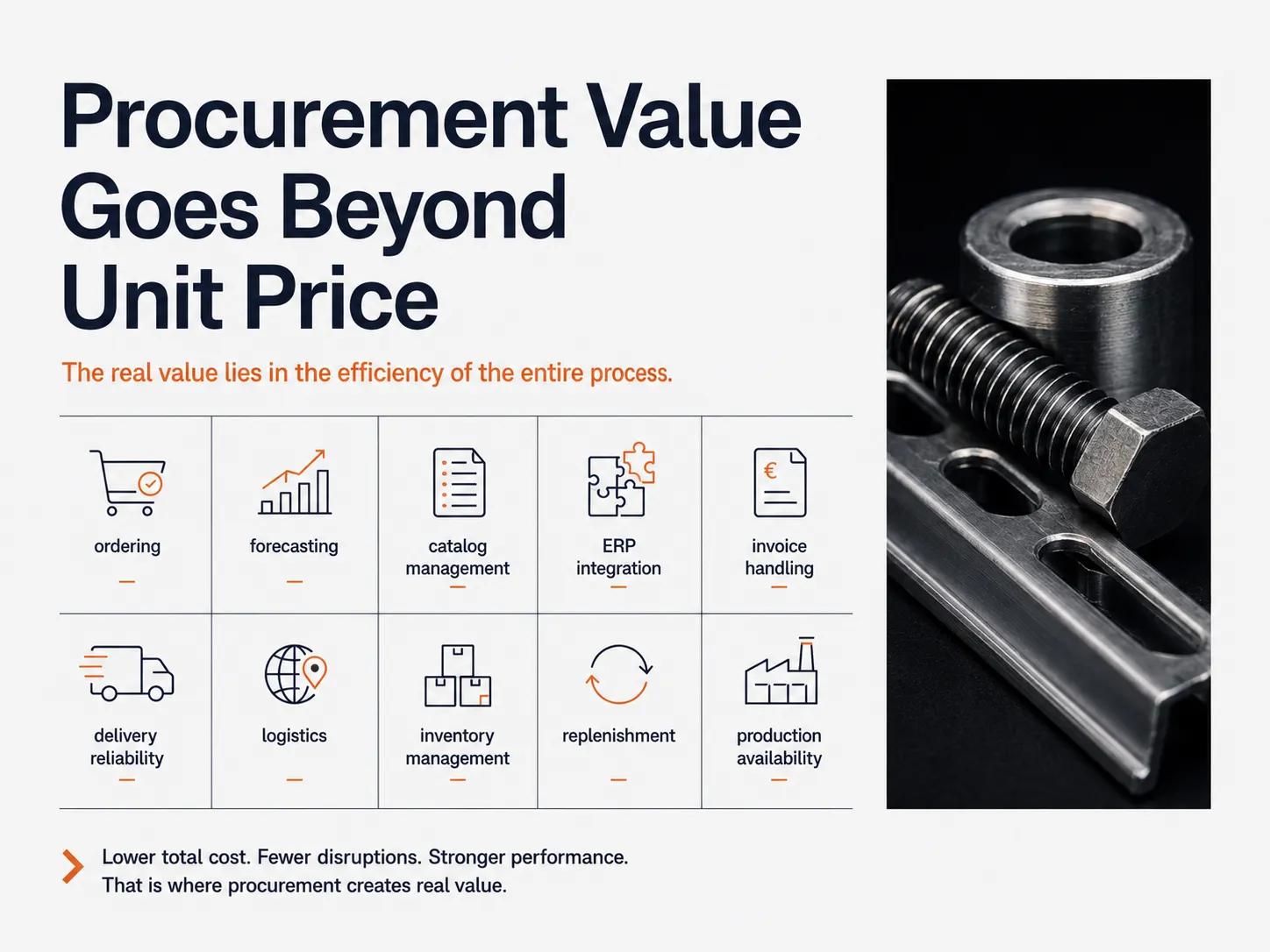
This creates real operational value.
For procurement teams, the value is not only the price of a single screw or cable tie. It is the efficiency of the entire process:
- ordering
- forecasting
- catalog management
- ERP integration
- invoice handling
- delivery reliability
- logistics
- inventory management
- replenishment
- production availability
For this reason, C-parts management has traditionally focused on process cost reduction, and that focus is valid. A well-integrated catalog supplier cuts administrative effort and makes the supply of standard parts efficient. The blind spot is that a process can run smoothly while the price structure underneath it drifts out of shape.
The blind spot: price logic
Many companies assume that catalog parts are already optimized because the ordering process works well. The supplier is integrated, the catalog available in the ERP system, deliveries reliable, invoices processed automatically. From an operational perspective, everything looks fine. But the price logic behind thousands of catalog positions is often much less transparent.
Over time, catalog prices can become inconsistent for several reasons:
- old price lists are carried forward
- new parts are added without systematic benchmarking
- discounts are applied inconsistently
- high-runner items are negotiated aggressively while long-tail items are accepted
- annual price negotiations use outdated reference volumes
- technical comparability between parts is not transparent
- historical supplier relationships reduce price pressure
- ERP catalog integration creates a perceived lock-in effect
The result is a catalog structure that works operationally, but is no longer commercially optimized.
This is where COVALYZE and PartIQ create value.
How COVALYZE and PartIQ change the analysis
Traditional procurement analysis usually starts with ERP data: supplier names, part numbers, descriptions, order quantities, prices and spend values. For standard parts and catalog goods, that is rarely enough. A supplier description may say "screw M6," which does not describe the part. A meaningful comparison needs technical parameters such as diameter, length, material, coating, head type, thread type, strength class and standard reference. The same applies to electrical catalog goods, semi-finished materials and many other standard components.
PartIQ enriches procurement data with technical parameters. COVALYZE Analytics then uses those parameters to make parts comparable, find outliers, analyze price structures and prepare supplier negotiations or new tenders. Instead of comparing prices and volumes, companies compare technically similar parts under controlled conditions. That is the difference between spend analysis and technical price intelligence.
Case example: screws
Higher quantities came with higher prices, not lower ones. The finding was only possible because the analysis controlled for technical parameters.
400+ screw positions and an unexpected price pattern
In one anonymized analysis, more than 400 screw positions were examined. At first glance this looked like a typical standard parts category. The supplier relationship was established, and everyone assumed pricing followed normal quantity logic.
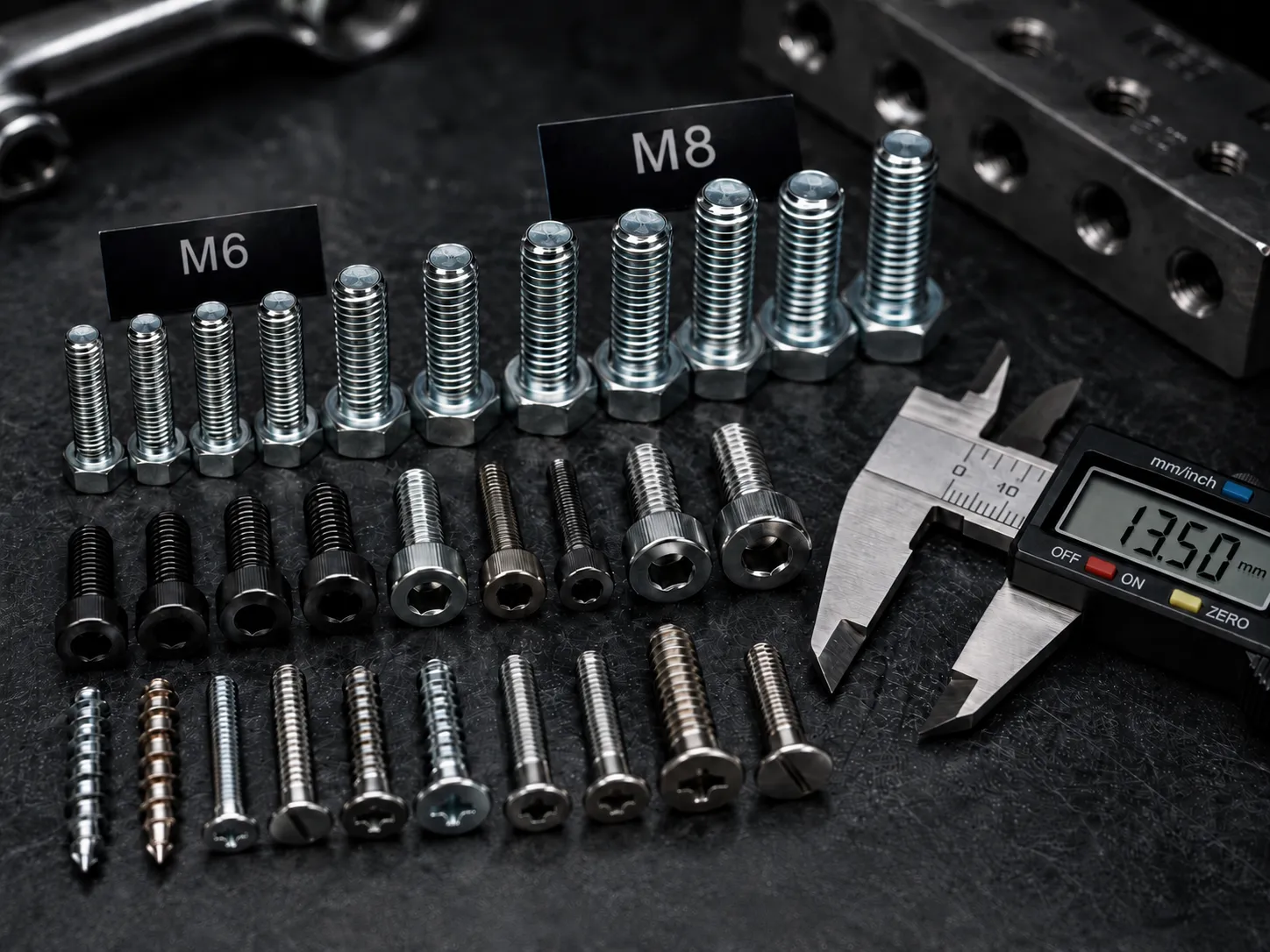
The expected logic in procurement is that the higher the quantity, the lower the unit price, so quantity and unit price should show a negative correlation. The analysis showed the opposite: for technically comparable screws, higher quantities came with higher prices.
Without technical parameters controlled for screw type, size, length and coating, a supplier can always argue that two screws are not really comparable. Regression-based analysis removes that argument and makes price deviations visible.
Why these price structures happen
In many companies, catalog negotiations are based on reference baskets or standard volumes. A procurement team selects a group of representative items, sends them to suppliers and receives price lists in return. Based on these responses, the buyer creates a price comparison and selects or renegotiates with a supplier. The problem is that these reference baskets often age.
Over several years, demand changes. New parts are added, some former high-volume items become less relevant and others grow in importance. The negotiation logic, though, is not always recalibrated against current ERP volumes or forecast data. During annual price negotiations, a few visible high-runner items get pushed down while increases are accepted on less visible ones. Procurement may still show savings on the selected positions, while the commercial logic across the full catalog deteriorates.
Usually this is a complexity problem rather than a question of intent. With hundreds or thousands of catalog positions, technical variants, price tiers and changing volumes, manual analysis becomes difficult and Excel-based comparisons quickly reach their limits. COVALYZE Analytics can process the full dataset, enrich missing technical parameters, analyze price-volume relationships and show where the price logic no longer makes sense.
Why semi-finished materials belong in the same discussion
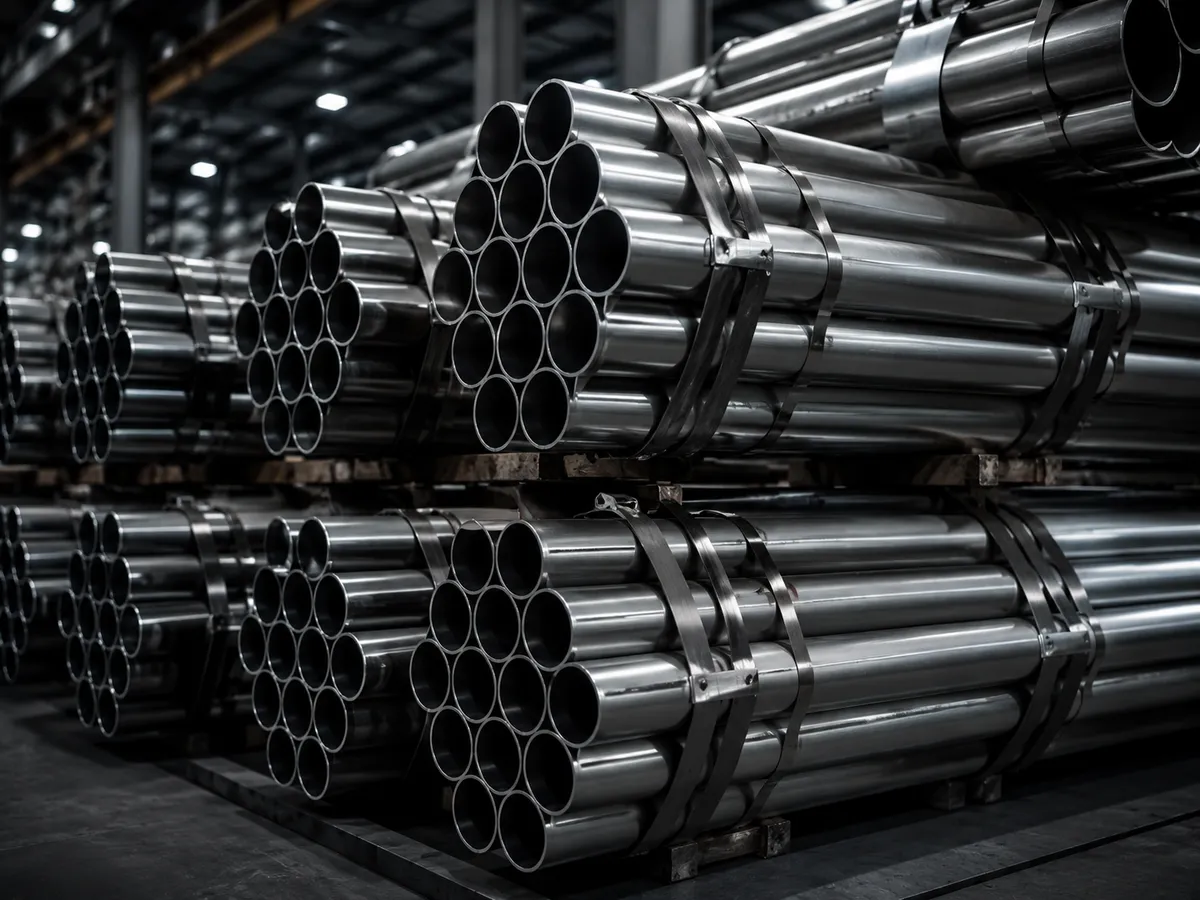
Semi-finished materials should not be excluded from this analysis. For many manufacturers, sheets, tubes, profiles, plates, bars and similar materials represent significant purchasing volumes, especially in metalworking processes such as turning, milling, bending, welding and laser cutting.
Technical data pays off especially well here. If a company knows that 50 different parts use the same 2 mm sheet metal quality, procurement sees the category differently.
Semi-finished materials
Technical part data turns material purchasing into supply chain risk intelligence.
Standardization potential and supply chain risk in one view
First, standardization. If five similar sheet metal specifications can be reduced to three, the company can bundle demand, reduce complexity and negotiate better purchasing conditions.

Second, risk transparency. If a supplier for a specific semi-finished material fails, the company can trace the chain immediately: which parts use the material, which products contain those parts, and which customer orders are at risk.
That turns technical part data into supply chain risk intelligence. Most disruptions start with missing material, unavailable sheets or supplier-specific dependencies that nobody saw in time, not with complex finished parts.
From supplier lock-in to negotiation power
One reason companies hesitate to challenge catalog suppliers is the perceived lock-in effect. The catalog is already integrated into the ERP system, employees are used to the ordering process, and production depends on reliable delivery. A supplier change looks risky and operationally messy. That concern is fair, but it is not a reason to leave the commercial structure behind the catalog unexamined.
With COVALYZE and PartIQ, procurement teams can build a supplier-independent catalog data basis. Technical parameters are structured, comparable parts are clustered, price tiers are analyzed and current market or supplier information can be added. A new tender becomes much easier to prepare, and the dynamic with the existing supplier shifts.
The goal does not always have to be a supplier change. In many cases the strongest result is a better negotiation position. If procurement can show that technically comparable parts carry inconsistent prices, that quantity discounts are not reflected properly, or that market alternatives are more competitive, the discussion becomes fact-based. The supplier relationship can stay in place as long as the pricing logic becomes transparent.
Typical savings levers in catalog and standard parts
COVALYZE Analytics can support several concrete levers in catalog and standard parts procurement:
1. Price outlier detection
Technically comparable parts are analyzed to find unusually high prices.
2. Quantity-price correlation
The system checks whether higher volumes actually lead to lower unit prices, or whether the opposite is happening.
3. Technical standardization
Parts with similar or identical technical parameters can be grouped, consolidated or standardized.
4. Alternative part identification
Where technical requirements allow it, alternative catalog parts can be identified and included in sourcing decisions.
5. Price tier analysis
Quantity discount structures can be extracted, compared and applied to actual ERP volumes or forecast volumes.
6. Supplier-independent tender preparation
Instead of sending incomplete ERP descriptions to suppliers, procurement can issue technically enriched tender data.
7. Semi-finished material bundling
Sheets, tubes, profiles and other materials can be grouped by material, thickness, dimensions or quality.
8. Risk analysis
The system can identify which parts, products and orders depend on specific materials or suppliers.
Why this matters for the SME
Mid-sized manufacturers usually run lean procurement teams without much slack for category analysis, technical data enrichment or manual price benchmarking. At the same time they manage complex product portfolios, many low-volume parts and long-standing supplier relationships.
That is where AI-supported procurement analysis pays off. Work that used to mean manual Excel effort, supplier-by-supplier comparison and slow data cleanup can now be automated to a much higher degree.
None of this replaces procurement expertise. The buyer still decides how to negotiate, which supplier relationship matters strategically and where a change is realistic. What changes is the basis for those decisions: it no longer rests on incomplete descriptions, outdated reference baskets or manual comparisons.
The core insight
Catalog parts, standard parts and semi-finished materials are often treated as mature procurement categories. Maturity in process integration is not the same as maturity in price intelligence.
A catalog can be deeply integrated into the ERP system and still hold savings potential. A supplier can deliver reliably and still price inconsistently. A single standard part can be cheap while the same inconsistency across hundreds of positions adds up to real money.
Companies that get value out of this category are usually not the ones that switch suppliers, but the ones that understand their own catalog data.
Conclusion
Standardization, a professional catalog supplier and ERP integration do not make a category optimized. Uncovering savings potential takes technical price intelligence.
COVALYZE and PartIQ make catalog and standard parts comparable by enriching ERP data with technical parameters, analyzing price-volume relationships, identifying outliers, evaluating quantity tiers, supporting tenders and revealing standardization potential. For semi-finished materials the same logic adds bundling, standardization and supply chain risk transparency.
Catalog integration does not replace price intelligence.
For the German SME, that means lower costs, more negotiation power and more transparency in standard parts procurement, without giving up the operational benefits of professional C-parts integration.